Introduction
In an age where the visual narrative holds paramount significance, the relationship in between our home and photography has never ever been more complex. Home as a Muse: Interior Design Impact on Individual Photography checks out how the aesthetics of our surroundings can exceptionally form our photographic expressions. From recording the essence of self-portrait photography to exploring abstract portraits, this short article delves into the interplay in between interior decoration components and individual photography styles.
Our homes are not simply physical structures; they are reflections of our identities, goals, and memories. They act as backgrounds for our stories-- stories that unfold through photography. Whether you're going for https://squareblogs.net/jenidebxrt/transforming-environments-the-role-of-wall-art-in-office-decor visual photography or using your area for contemplative photography, comprehending how interior design influences your work is vital.
Home as a Muse: The Function of Interior Design in Personal Photography
The Essence of Aesthetic Photography
Aesthetic photography concentrates on appeal and visual appeal instead of simply representing reality. It's about creating fascinating images that resonate with viewers on a psychological level. In regards to interior decoration, the atmosphere developed by color design, textures, and decor can substantially boost visual photography.
Color Schemes that Inspire Emotion
Different colors evoke various sensations. For example:
- Warm Colors: Reds, oranges, and yellows produce energy. Cool Colors: Blues and greens promote calmness. Neutral Colors: Whites and grays supply a minimalist canvas.
When selecting your home's color combination for a photoshoot, consider how it aligns with your preferred feeling or message.
Textures that Tell Stories
Textures add depth to photographs. By incorporating various materials like wood, material, and metal into your shots, you can create multi-dimensional images. A comfortable knitted blanket curtained over a chair or a sleek metallic vase can drastically alter the state of mind of a photograph.
Self-Portrait Photography: Recording Your Identity Through Design
Self-portrait photography is an intimate expedition of identity. The setting you pick plays a vital function in how you present yourself to the world.
Choosing the Right Background
Your option of background interacts volumes about who you are. A minimalist area might recommend tranquility and self-questioning, while a lively room filled with art may suggest creativity and spontaneity.
Incorporating Individual Elements
Integrating individual products into your self-portraits-- such as books you love or artwork you have actually developed-- adds layers of meaning to your photographs. These components act as signs of your identity in art.
Contemplative Photography: Finding Peace in Your Space
Contemplative photography motivates mindfulness and reflection. It invites professional photographers to concentrate on their surroundings without distractions.
Creating Tranquil Spaces at Home
To engage in contemplative photography effectively:
Choose quiet corners in your home. Utilize natural light to produce soft shadows. Remove mess to promote calmness.These practices allow you to capture serene moments that resonate with inner peace.

Exploring Portrait Styles Within Your Home Environment
The flexibility of portrait styles implies there's no one ideal way to record yourself or others within your home environment.
Faceless Portraits: Communicating Feeling Without Identity
Faceless portraits highlight state of mind over identity by focusing on body language or surrounding elements instead of facial functions. This design works beautifully against distinct backgrounds crafted by interior decoration elements.
Abstract Pictures: Challenging Standard Norms
Abstract pictures break away from traditional representation by emphasizing shapes, colors, and types over recognizable figures. By using innovative angles within designed areas, photographers can press limits in their work.
Using Interior decoration Aspects to Enhance Fine Art Photography
Lighting as an Artistic Tool
Lighting is among the most substantial aspects affecting any form of visual art.
- Natural Light: Soft daytime creates mild contrasts. Artificial Light: Can be manipulated for significant effects.
By understanding how different lighting communicates with various design components in your home, you can raise your art photography significantly.

Furniture Arrangement for Dynamic Compositions
The method furniture is organized effects the flow within photographs.
- Open Areas: Encourage motion and energy. Cozy Plans: Promote intimacy and warmth.
Experimenting with various setups will inspire brand-new point of views in your work.
Utilizing Decoration Elements Creatively
Decor products such as plants or art work provide chances for layering within frames:
Use plants to include life. Incorporate artwork as backdrops or subjects. Experiment with reflections from mirrors or glass surfaces.These methods will enhance your structure while showcasing both style elements and individual expression through photography.
Personalizing Your Space for Genuine Self-Expression in Art
Creating Zones for Different Artistic Expressions
Your home need to show numerous elements of who you are:
A reading nook for reflective thought, An art corner filled with supplies, A bright area for energetic selfies.Design these zones attentively; they'll inspire diverse photographic narratives lined up with individual feelings and experiences.
Curating Meaningful Art work Within Your Home Environment
Artwork informs stories; it speaks volumes about individual taste and values:
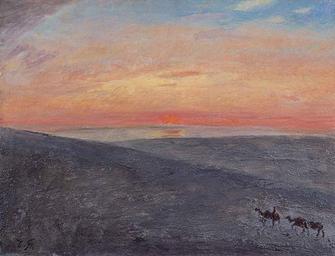
- Choose pieces that resonate personally. Rotate artworks regularly to keep motivation fresh.
This practice nurtures creativity while guaranteeing that your environment feels alive with creative potential!
FAQs About Home as a Muse: Interior Design Influence on Personal Photography
1. What kind of interior decoration works best for visual photography?
A clean backdrop featuring soft colors usually works well because it enables topics to stand out without frustrating them visually.
2. How can I use my home's natural light for better self-portraits?
Position yourself near windows throughout golden hour (early morning or late afternoon) when sunlight is softest; prevent extreme midday sun which produces uncomplimentary shadows!
3. What are faceless pictures utilized for?
Faceless portraits concentrate on communicating feelings without exposing identities; they're great ways to check out styles like privacy or introspection creatively!
4. Can I blend various portrait designs within my home?
Absolutely! Blending styles promotes creativity-- exploring lets you find unique combinations that show individual expressions authentically!
5. How do I guarantee my design complements my photographs?
Choose decoration items aligned with themes present throughout your portfolio; consistency boosts brand name identity throughout visual storytelling mediums!
6. Is it needed to have professional devices for great home photography?
While professional equipment might assist improve image quality & & flexibility-- many smart devices today possess outstanding capabilities allowing hobbyists great results without breaking budgets!
Conclusion
Through this expedition entitled Home as a Muse: Interior Decoration Impact on Personal Photography, we have actually seen how our environments inform not only our artistic choices but also our identities expressed through art types like visual photography, self-expression in art, picture designs among numerous others!
Ultimately cultivating an inspiring area resonates deeply-- encouraging us all towards greater imagination while reflecting uniqueness uniquely caught behind camera lenses!
If you're seeking to boost both interiors & & images-- welcoming these principles will certainly transform daily moments into compelling stories ready for sharing-- so go ahead get motivated today!